What Is the Most Commonly Used Hospital Disinfectant
The alcohol-based version is on the World Health Organizations List of Essential Medicines. Its also found in lotions cosmetics and face washes.
C3 Cosmetology Complete Care
O The disinfectant used should be one for which the manufacturer claims antiviral activity meaning it can kill the virus such as chlorine-based disinfectants which are commonly used - see below o If there is visible contamination with respiratory secretions or other body fluid.

. Selection of commonly recommended disinfectants for individual laboratories. Intermediate-level disinfection - kills mycobacterium most viruses and bacteria with a chemical germicide registered as a tuberculocide by EPA. Alcohol has been used as an antiseptic at least as early as 1363 with evidence to support its use becoming available in the late 1800s.
It is the most frequently identified cause of hospital-acquired diarrheal infection. Commonly used with substances applied to inanimate objects. Types of Disinfectants used in CDC LB laboratories.
When exposed to air it forms a spore that allows it to remain in the environment for long periods of time. Alcohol-based hand sanitizer has been commonly used in Europe since at least the 1980s. Like ethanol its commonly used as an antiseptic and disinfectant.
Such data specifically highlight the areas that would benefit from more frequent cleaning or disinfection. It is a broad-spectrum disinfectant that is effective for the disinfection of viruses bacteria fungi and mycobacterium. It may be used both to disinfect the skin of the patient and the hands of the healthcare providers.
Sodium hypochlorite commonly known as bleach is most frequently used as a disinfecting agent. These include alcohols chlorine and chlorine compounds formaldehyde glutaraldehyde ortho-phthalaldehyde hydrogen peroxide iodophors peracetic acid phenolics and quaternary ammonium compoundsCommercial formulations based on. Oxivir Disinfectant Cleaners provide an alternative to traditional disinfectants by delivering fast acting broad spectrum disinfection with enhanced cleaning power that is staff and patient friendly while being gentle on most surfaces.
Low-level disinfection - kills some viruses and bacteria with a chemical germicide registered as a hospital disinfectant by the EPA. Chlorhexidine CHX commonly known by the salt forms chlorhexidine gluconate and chlorhexidine digluconate CHG or chlorhexidine acetate is a disinfectant and antiseptic that is used for skin disinfection before surgery and to sterilize surgical instruments. Many disinfectants are used alone or in combinations eg hydrogen peroxide and peracetic acid in the health-care setting.
It is a bacteria that has developed resistance to most commonly used antibiotics. This EPA-registered chemical is stable and fast acting. Typically not used for generalized disinfecting.
Hypochlorites are the most commonly used chlorine disinfectants. According to the protocol for the official sanitizer test a sanitizer is a chemical that kills 99999 of the specific test bacteria in 30 seconds. Disinfectant registered for use in hospitals clinics dental offices and any other medical-related facility.
Sodium Hypochlorite is commercially available as household bleach. Choosing the disinfectant solution The disinfectant used should be one for which the manufacturer claims antiviral activity meaning it can kill the virus such as chlorine-based disinfectants hospital-grade disinfectants or alcohol solutions with at least 70 alcohol for example methylated spirits. While sanitizers can kill certain bacteria on a surface disinfectants are used to neutralize a broader range of microorganisms.
The active ingredient hydrogen peroxide breaks down into environmentally-friendly water and oxygen just. It causes diarrhea and more serious intestinal conditions such as colitis. The most commonly contaminated sites in all six rooms were personnel hands computers blood gas analyzers door and telephone handles control buttons and knobs patient monitors and medical charts.
Disinfectants are used to soak the pad covering the work area in the BSC clean work surfaces after work has been completed disinfect equipment and to clean up spills. While sanitizers may be the preferred option for household use disinfectant is more commonly used in medical and food preparation facilities although the use of steam sanitation in hospitals is becoming more popular. ICYMI you can come in contact with COVID-19 via surfaces although the coronavirus is more commonly transmitted through respiratory droplets.
Ingesting hand sanitizers can lead to death. It is corrosive to metal in high concentrations and can discolor fabric. While generally considered safe bleach can cause skin and eye irritation.

Botanical Disinfectant Solution Bioesque Solutions

Top 5 Chemical Disinfectants Used In Hospitals Penn Jersey Paper
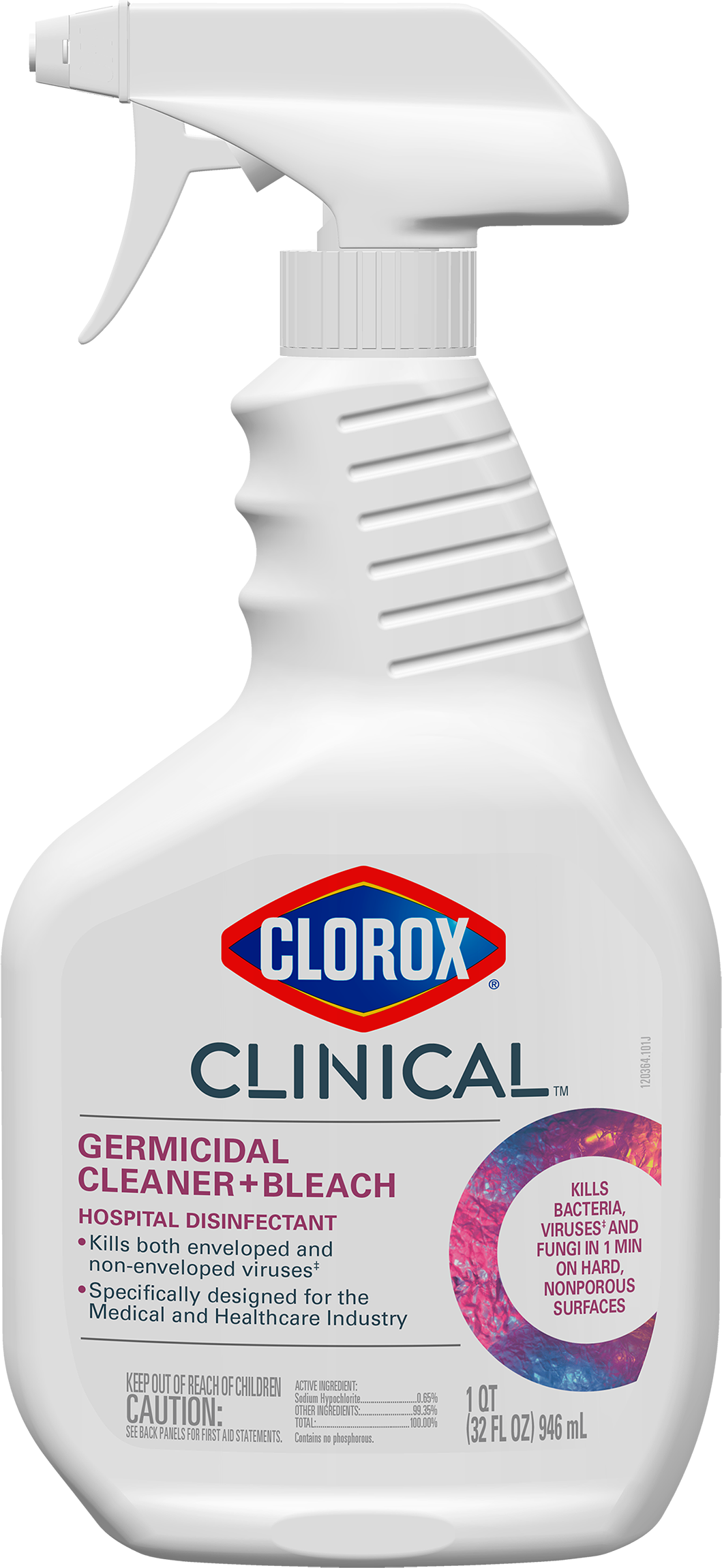
Clorox Clinical Germicidal Cleaner With Bleach Clorox

Disinfection In Hospitals

Clorox Healthcare Hydrogen Peroxide Cleaner Disinfectants Cloroxpro

Botanical Disinfectant Solution Bioesque Solutions
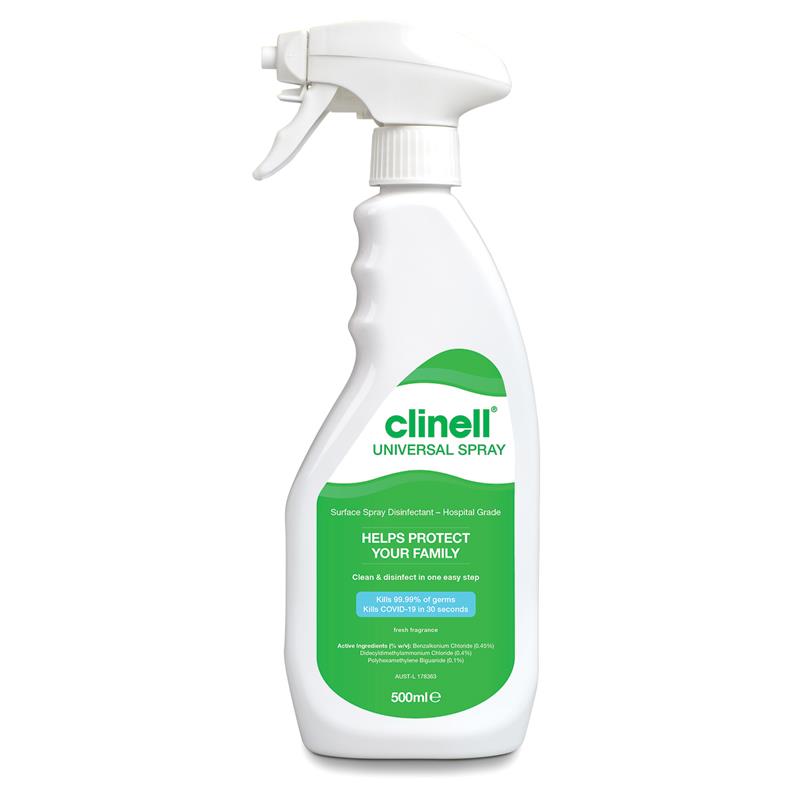
Buy Clinell Disinfectant Spray 500ml Online At Chemist Warehouse

Sniper Hospital Disinfectant Cleaner Global Environmental Restoration

Amazon Com Servproxide Residential Commercial Hospital Grade Non Bleach Surface Disinfectant 128 Fl Oz 1 Gallon Jug Health Household

Top 5 Chemical Disinfectants Used In Hospitals Penn Jersey Paper
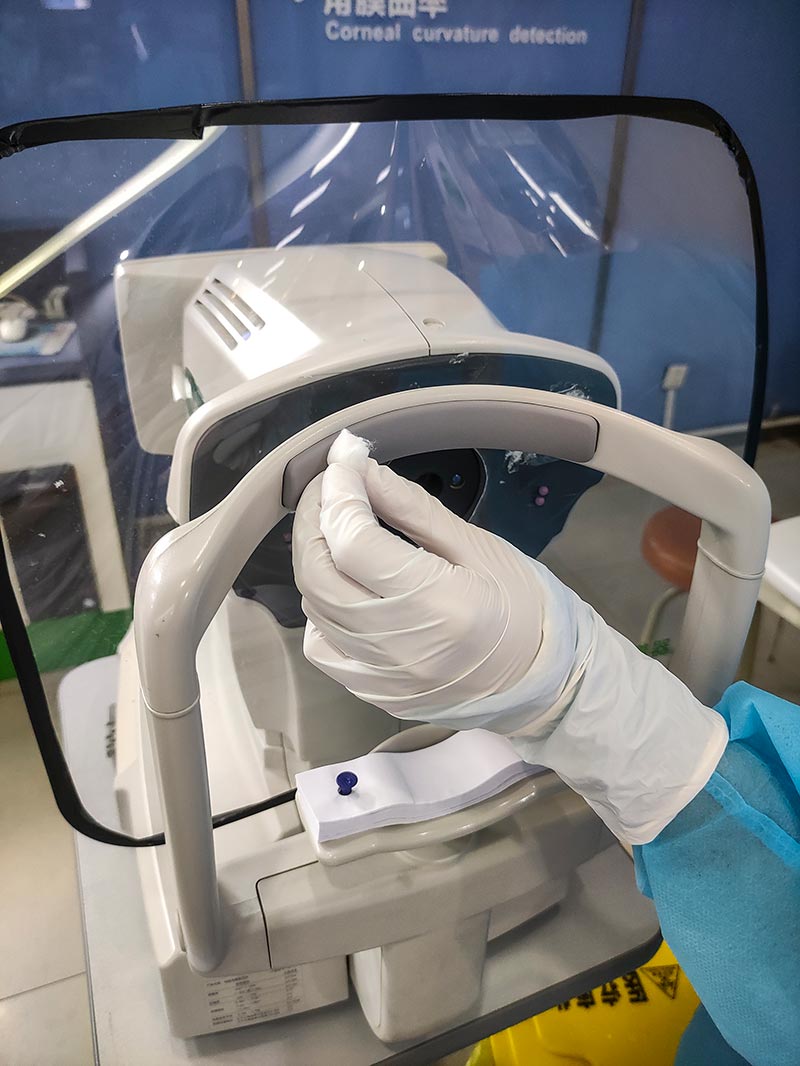
Community Eye Health Journal Cleaning And Disinfection In Health Care Settings During The Covid 19 Outbreak
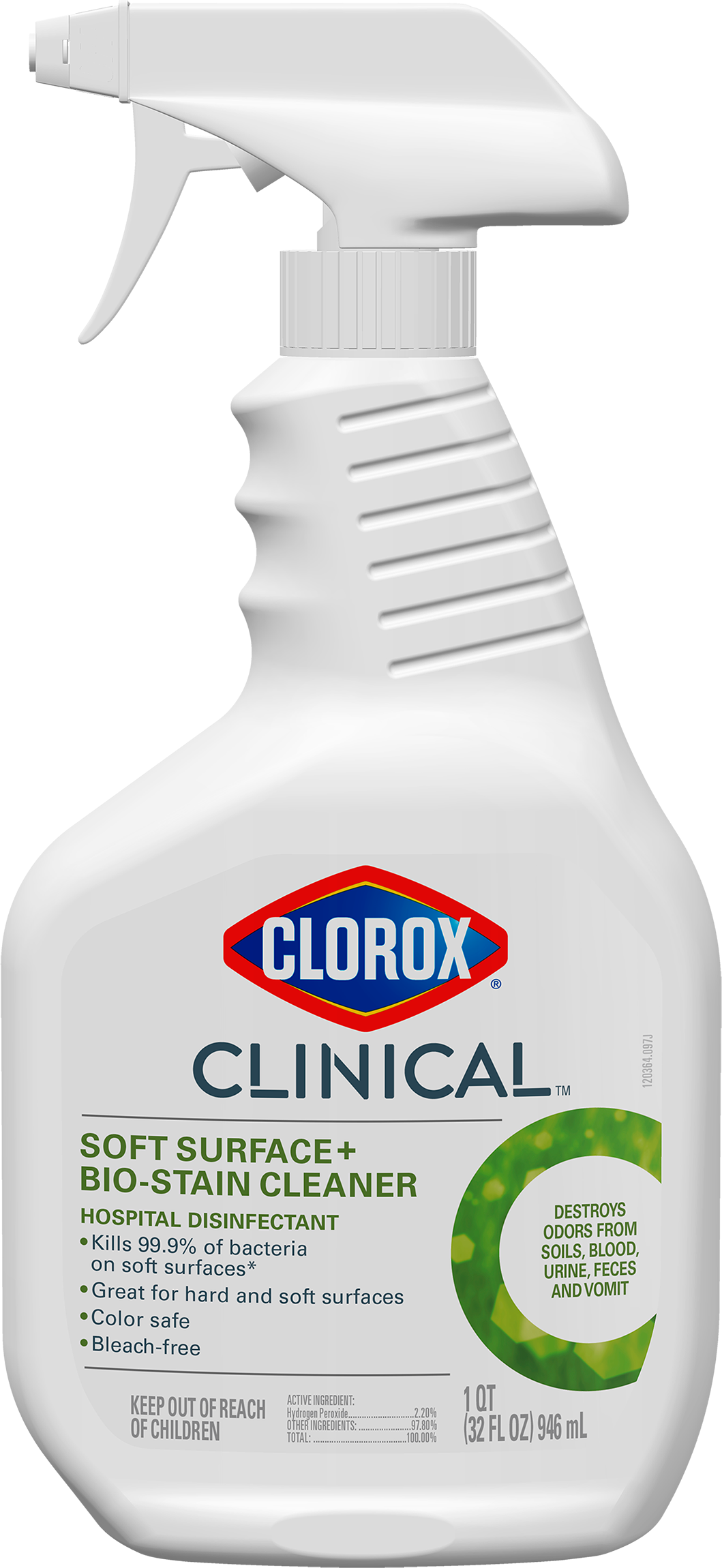
Clorox Clinical Soft Surface And Bio Stain Cleaner Clorox
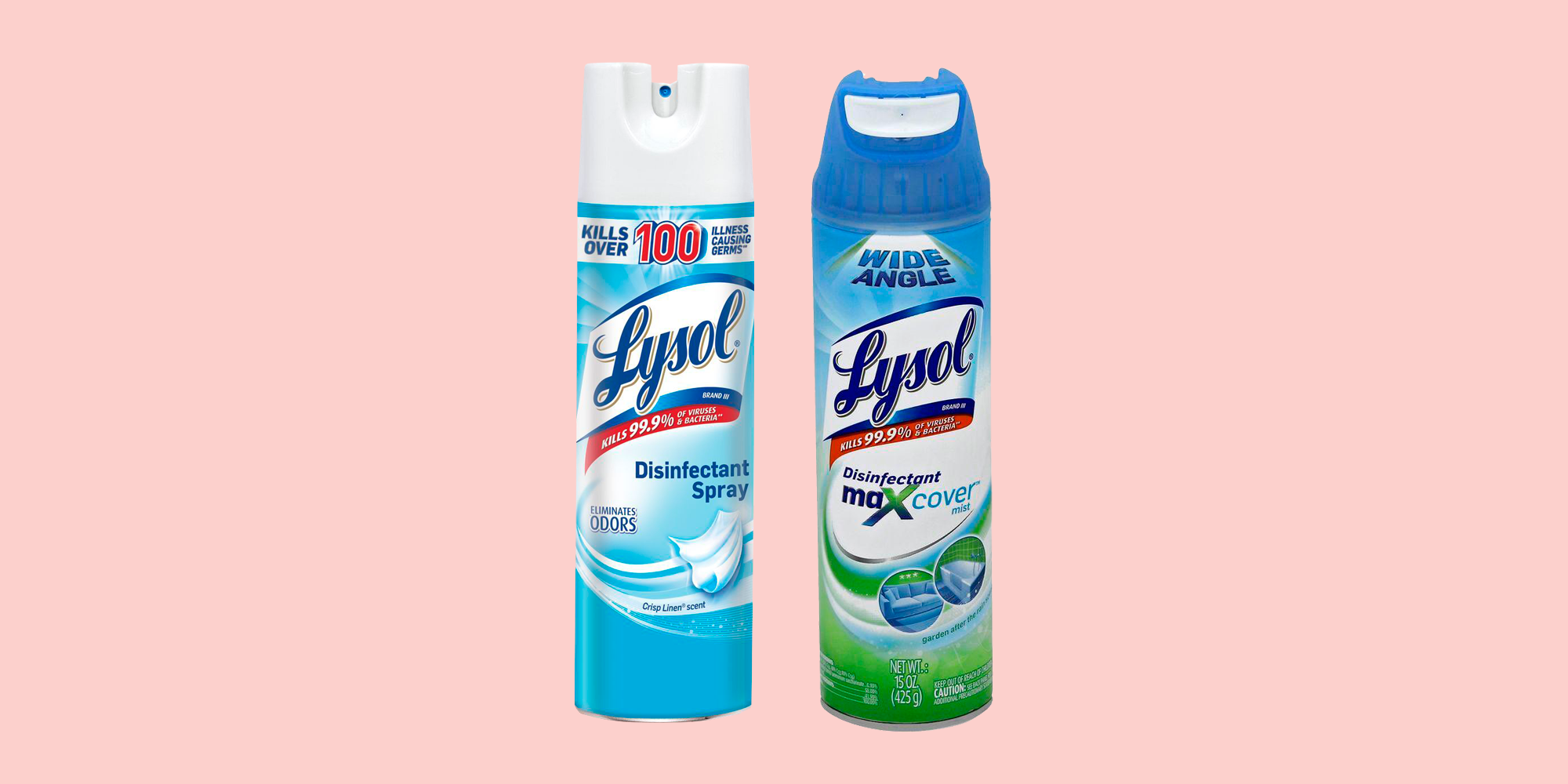
What Kills Germs How To Kill Coronavirus And Disinfect Your Home
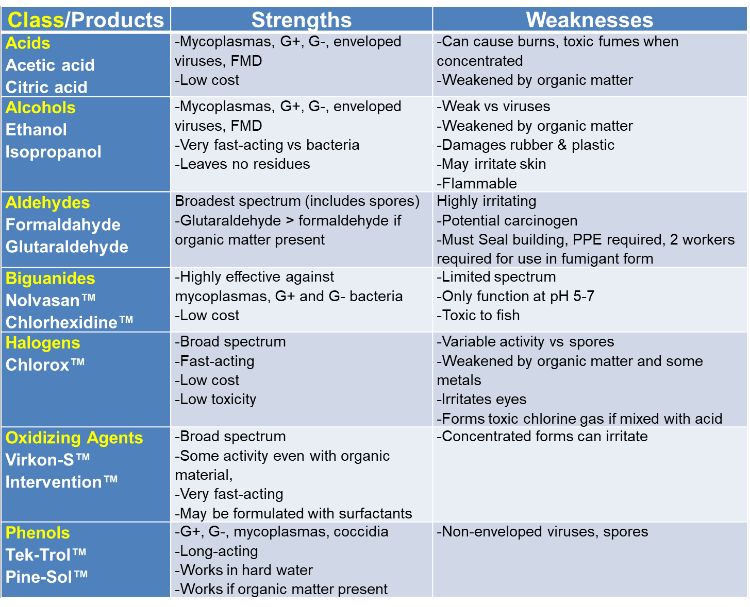
Disinfectant Strategies For Swine Facilities Pork
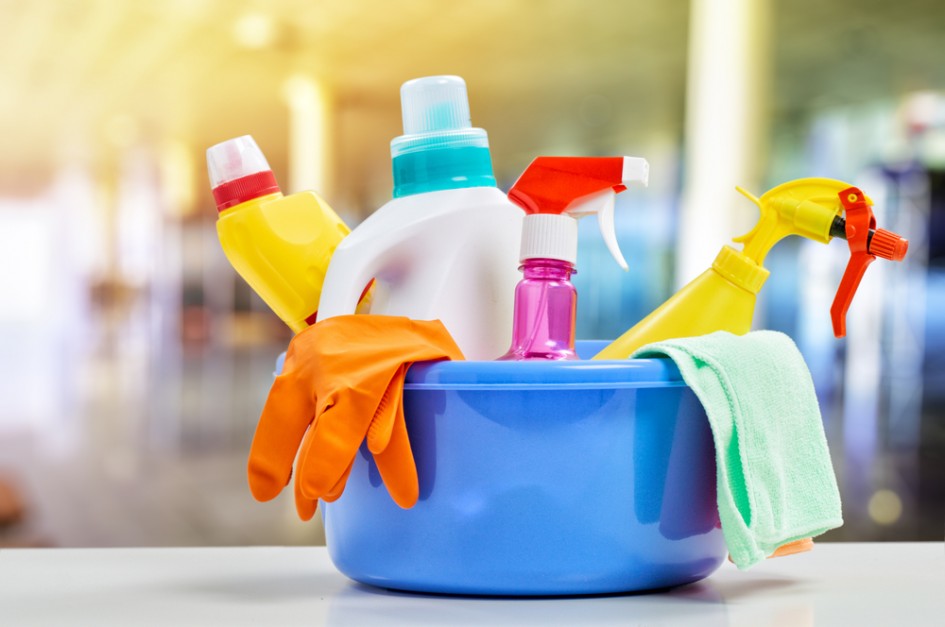
Cleaning Agents Covid And Child Health Canadian Paediatric Society

How To Choose Plastics That Will Withstand Harsh Hospital Cleaning Processes

Botanical Disinfectant Solution Bioesque Solutions

Disinfectant Against Coronavirus How To Make And Use The New York Times
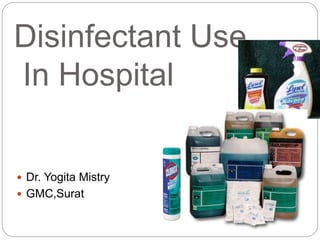
Disinfectant Use In Hospital


Comments
Post a Comment